Department of Medicine
Division of Critical Care
Home / Divisions / Division of Critical Care
Division of Critical Care
Critical Care Medicine is a branch of medicine concerned with the provision of life support or organ support systems in patients who are critically ill and who usually require intensive monitoring.
The Division of Critical Care Medicine consists of eleven members who are actively involved in providing patient care services in the Intensive Care Unit at St. Paul's Hospital and Mount St. Joseph's Hospital.
For more information on Critical Care Medicine, please explore this useful website:
UBC Division of Critical Care Medicine
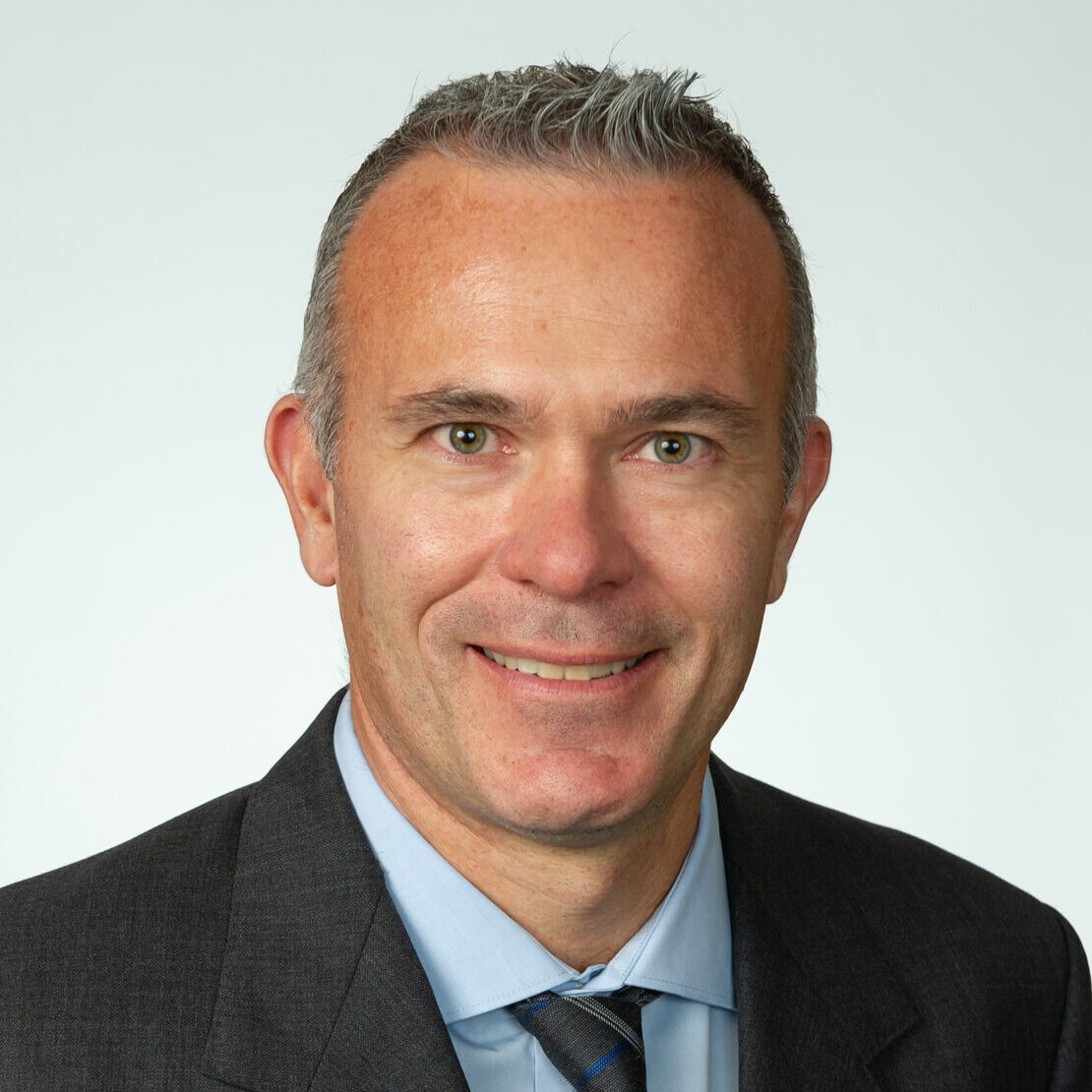
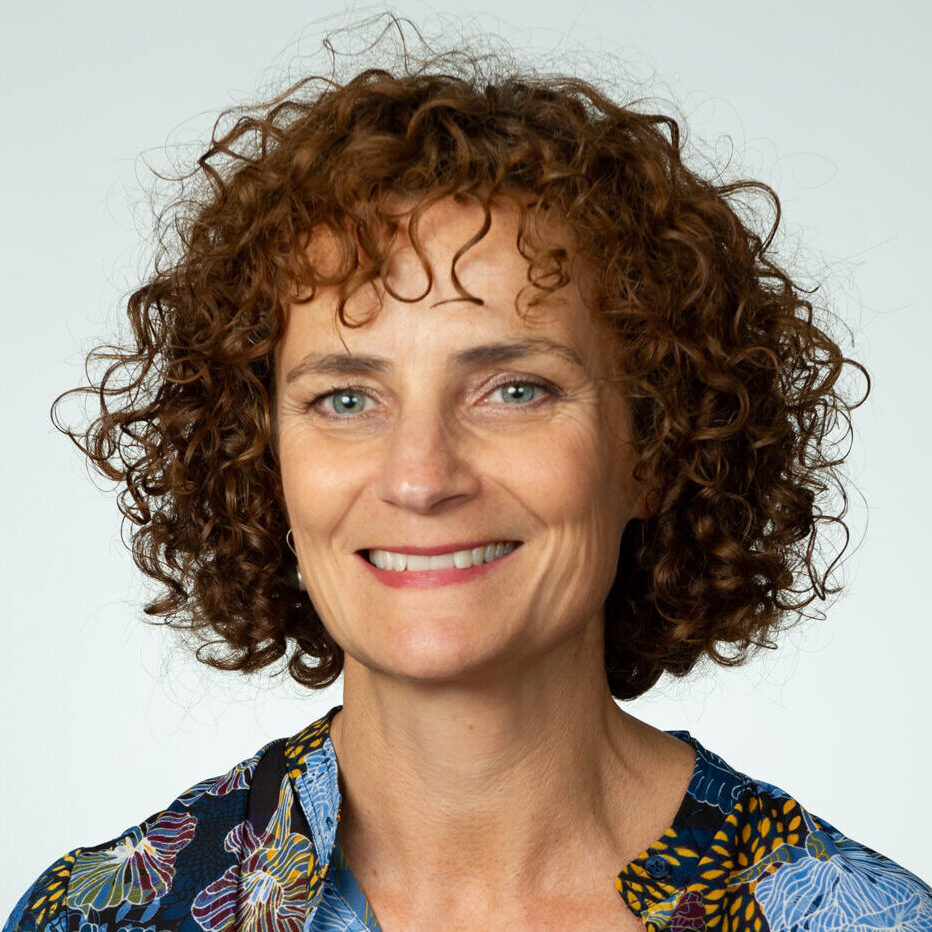
Dr. Boyd is Head of the Division of Critical Care, an Associate Professor of Medicine and Principal Investigator at the Heart Lung Institute. His work is strongly patient-centered and spans clinical, translational, and mechanistic research, with each area contributing meaningful advances to the understanding and treatment of critical illness. He is also Medical Director of the early-phase Clinical Trials Unit at MSJ and in 2025 was appointed the inaugural UBC Professor of Clinical Pharmacology and Therapeutics.
Dr. Najib Ayas graduated with distinction from the University of Alberta in 1992. He completed an Internal Medicine residency at the Mayo Clinic in 1996, and postgraduate training in Respiratory, Critical Care, and Sleep Medicine at Brigham and Women’s Hospital/Harvard Medical School in 2000. He was on staff at Brigham and Women’s Hospital for two years, and then joined the Sleep Disorders Program at the University of British Columbia in September 2002. He also has a Master of Public Health from the Harvard School of Public Health.
His research focuses on the public health and safety consequences of sleep apnea and sleep deprivation. His work has been published in a variety of medical journals including the American Journal of Respiratory and Critical Care Medicine, Chest, Sleep, Cardiovascular Nursing, Journal Spinal Cord Medicine, Sleep Medicine, Thorax, Archives of Internal Medicine, Canadian Journal of CME, Mayo Clinic Proceedings, and Current Opinion in Pulmonary Medicine.
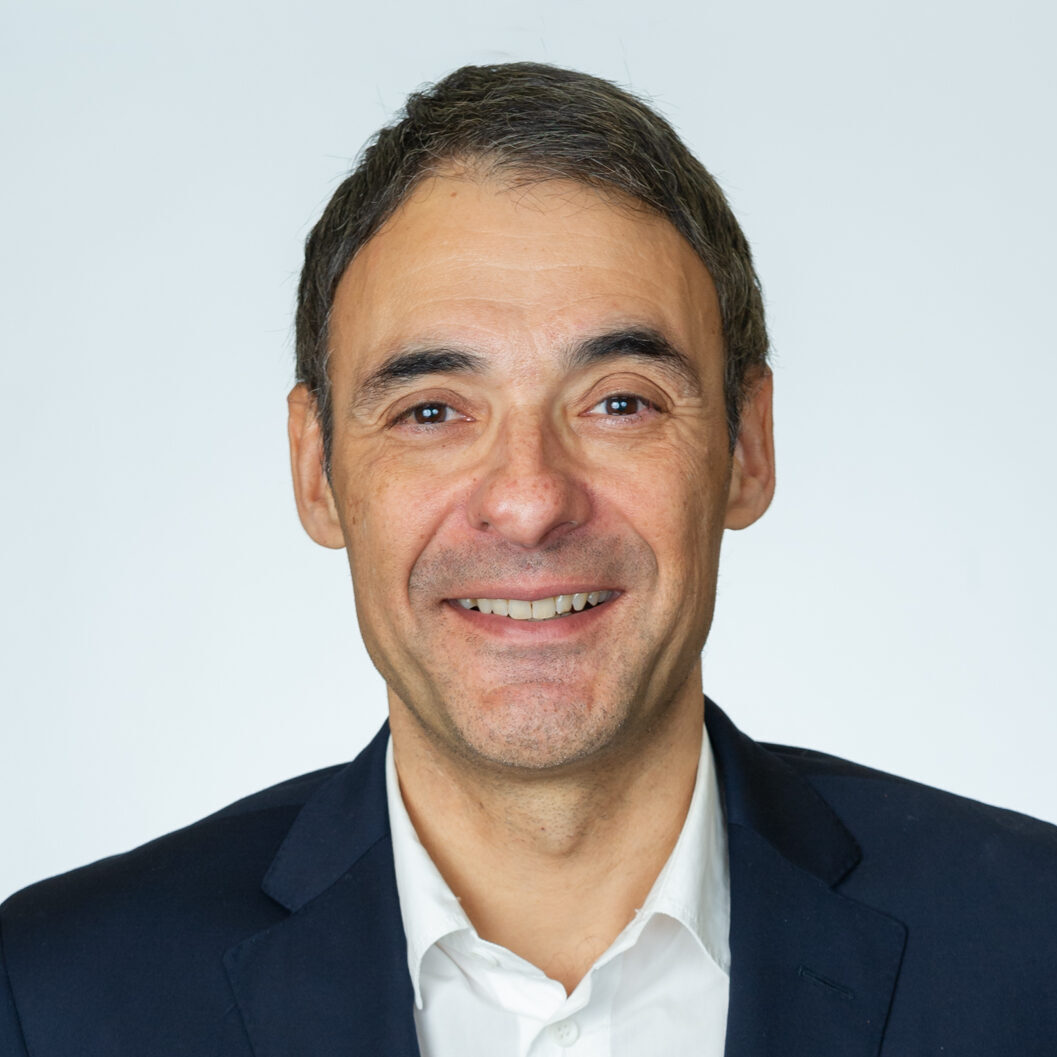
Dr. Sirounis completed his undergraduate degree and Medical Degree at the University of Saskatchewan, residency at Dalhousie University, and dual clinical fellowships at the University of Calgary in Critical Care Medicine and Cardiac Anesthesiology.
Dr. Sirounis has been the successful candidate in multiple CIHR grants and Technology Innovation Funds. His areas of research and interests are in Cardiopulmonary and Sepsis. He has been the supervisor to multiple Fellows and graduate students. Dr. Sirounis has also served as the Physician Program Director and Division Head at Providence Health Care in Critical Care, as well as Regional Medical Director for Critical Care at Vancouver Coastal Health and Providence Health Care. Dr. Sirounis is also a consultant for BC Emergency Health Services. Dr. Sirounis’ interests are in preventative strategies of chronic disease and improving health span through exercise, sleep and nutrition.
Dr. Kendeep Kaila is a clinical assistant professor at UBC. He works in the cardiac intensive care unit, intensive care unit, and general cardiology clinics at St. Paul's Hospital. He also works in the high acuity unit at Mount Saint Joseph Hospital where he is the Physician lead. He attended medical school at the University of Manitoba. He then completed Internal Medicine and Cardiology training at the University of Alberta prior to pursuing further specialization in Critical Care Medicine at the University of British Columbia. His clinical interests are in general cardiology and intensive care including cardiac arrests, hemodynamic assessment, and patient safety.
Dr. Duncan Maguire completed his M.D. and Anesthesiology residency at the University of Manitoba in 2016. He subsequently pursued fellowships in Critical Care Medicine at the University of British Columbia and in Cardiac Anesthesia and Intensive Care at the University of Toronto. He currently practices as an Intensivist and Cardiac Anesthesiologist at St. Paul’s Hospital in Vancouver.
Dr. Russell is a full-time researcher and Professor of Medicine at the University of British Columbia and lead large clinical/translational and basic science research teams. The CIHR- and other agency-funded (>$5M to date) CAPtivate Research Program (Captivateresearch.com) is a pan-Canadian/French team 25 site cohort studying COVID and pneumonia (n>6000 patients and >7000 biospecimens in his biobank) and has 30 peer-reviewed publications since 2020. In 2023, Dr. Russell initiated a new basic science mRNA drug and mRNA vaccine discovery programs at the Life Sciences Institute (LSI) at University of British Columbia (UBC). For that research, Dr. Russell has 9 grants (>$4M) and 11 technicians and students (2 Principal Scientists, 3 Post Doctoral Fellows (PDFs), 2 PhD candidates, 2 undergraduate directed studies students and 2 lab technicians). Dr. Russel and his team have developed 3 novel mRNA drugs for treatment of pneumonia that increase survival in murine models of pneumonia. Dr. Russell is also a co-investigator of a $35 M grant called AVENGER that aims to discover novel mRNA LNP vaccines for bacterial infection (Klebsiella, Staphylococcus aureus and pneumococcus).
Dr. Emma Schon is a Critical Care Medicine physician in Vancouver. She completed medical school in her hometown of Winnipeg, at the University of Manitoba. After obtaining her MD, she successfully completed her General Internal Medicine residency and Critical Care Medicine fellowship at the University of British Columbia. Dr. Schon also completed a Master of Education through the University of Ottawa. Clinically, Dr. Schon works as an intensivist at St. Paul’s Hospital and Vancouver General Hospital and she works as a Physician for the Rural Outreach in Critical Care and Internal Medicine (ROCCi) service. Dr. Schon also dedicates her time and expertise as a Co-Program Director for the Critical Care Medicine Fellowship Program at UBC. Serious illness conversations and withholding and withdrawing life sustaining treatment is a special interest for Dr. Schon.
Dr. Walley received his MD from the University of Manitoba in 1981, trained in Internal Medicine at McGill University, and subsequently trained in Critical Care Medicine at the University of Chicago. He has been a practicing Intensivist at St. Paul’s Hospital ICU and investigator at the Centre for Heart Lung Innovation since 1988. Dr. Walley still works as an investigator Centre for Heart Lung Innovation, though has retired from his clinical practice as an Intensivist at St. Paul’s Hospital ICU.
The focus of Dr. Walley’s research is to investigate 1) the mechanism of decreased left ventricular contractility and other organ failure during sepsis and 2) the impact of genotype on patient outcomes in sepsis and systemic inflammatory states. Dr. Walley translates basic discoveries into clinical practice in the ICU. Together with Drs. Russell and Boyd, he recently demonstrated that blocking the function of PCSK9, an enzyme that inhibits the clearance of endogenous cholesterol from blood, is associated with increased pathogen clearance via the LDL-receptor, a decreased inflammatory response, and improved septic shock outcome. This important discovery facilitated the emergence of anti-PCSK9 therapies as one of the most promising treatments for sepsis. This discovery has led to further investigation into the role of lipoproteins in sepsis. Training the next generation of clinician scientists is the other passion in his career.
Contact Information
Division of Critical Care Medicine
Room 3599-2 ICU Decant
3rd Floor Providence Bldg
1081 Burrard Street
Vancouver, B.C., V6Z 1Y6
Admin Assistant: Kaitlyn Mahoney
Telephone: 604-806-9405
Email: kaitlyn.mahoney@phc.ca
Head
Dr. John Boyd, Associate Professor